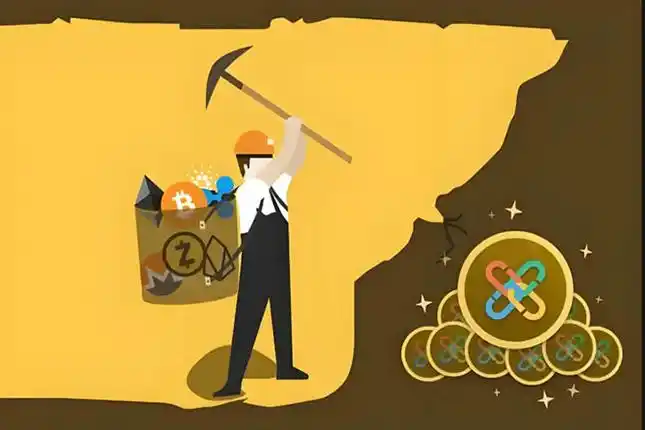
In the rapidly evolving world of decentralized finance (DeFi), the term “zero-investment blockchain USDC mining” has caught the attention of both seasoned investors and newcomers. The concept sounds almost too good to be true: mine stablecoins like USDC without depositing any initial capital. But does such a model actually exist, or is it simply a marketing gimmick designed to lure unsuspecting users into high-risk schemes?
First, let’s break down the terminology. USDC is a fully collateralized stablecoin pegged to the U.S. dollar, meaning each USDC token is backed by real-world assets. “Mining” traditionally refers to the proof-of-work process of validating transactions and securing a blockchain. However, when we talk about “USDC mining,” we usually refer to yield farming, liquidity provision, or staking protocols that reward users in USDC. True zero-investment mining is rare, because most DeFi activities require some form of capital, even if it’s just a small amount of gas fees or a token deposit.
Still, there are legitimate ways to earn USDC with minimal or zero upfront investment. The most common method involves “faucet” platforms or airdrops. Some blockchain projects distribute free USDC as part of promotional campaigns or community rewards, requiring only a wallet address and sometimes a social media task. Another approach is participating in “testnets” or “liquidity bootstrapping” events where early adopters receive tokens that can later be swapped for USDC. Additionally, certain lending protocols offer “flash loans” that allow users to borrow capital without collateral, but these require advanced technical knowledge and are typically used by developers or arbitrage bots, not casual miners.
However, the term “zero-investment” is often misused. Many schemes labeled as “zero-investment USDC mining” are actually Ponzi-like structures where the so-called mining rewards come from new user deposits, not from actual blockchain verification or economic value creation. These platforms often promise daily returns of 1% to 5%, which is unsustainable in any legitimate market. When the inflow of new users slows down, the system collapses, and latecomers lose everything. Therefore, it is critical to distinguish between genuine DeFi opportunities and scam tactics.
For users who want to explore zero-investment mining safely, here are a few practical steps: First, only use well-known wallets like MetaMask or Trust Wallet. Second, never share your private keys. Third, start with small test amounts on low-risk platforms like Uniswap or Compound, which may offer yield farming opportunities with minimal capital. Fourth, look for verified airdrop lists from trusted sources like DeFi Llama or CoinGecko. Finally, always check the project’s audit reports and community reputation on platforms like Discord or Reddit.
In conclusion, while the concept of zero-investment blockchain USDC mining is enticing, it is not a guaranteed path to free money. Legitimate opportunities exist but require time, research, and often a small amount of initial capital for gas fees. Avoid any platform that promises instant, high returns with no risk. The golden rule remains: if it sounds too good to be true, it probably is. In the world of blockchain, real value comes from understanding the technology, participating responsibly, and never investing more than you can afford to lose.